

Find Cheap Ammo Deals Without Sacrificing Quality or Accuracy
Cheap ammo is your ticket to more trigger time without emptying your wallet. It’s simply factory-loaded or budget-friendly rounds that get the job done for practice, plinking, and casual target shooting. By choosing these cost-effective cartridges, you can burn through .35 Remington Ammo for Sale hundreds of extra rounds per session and sharpen your skills faster. Just make sure to test a few boxes first to confirm they cycle reliably in your firearm.
What Exactly Counts as Budget-Friendly Ammunition?
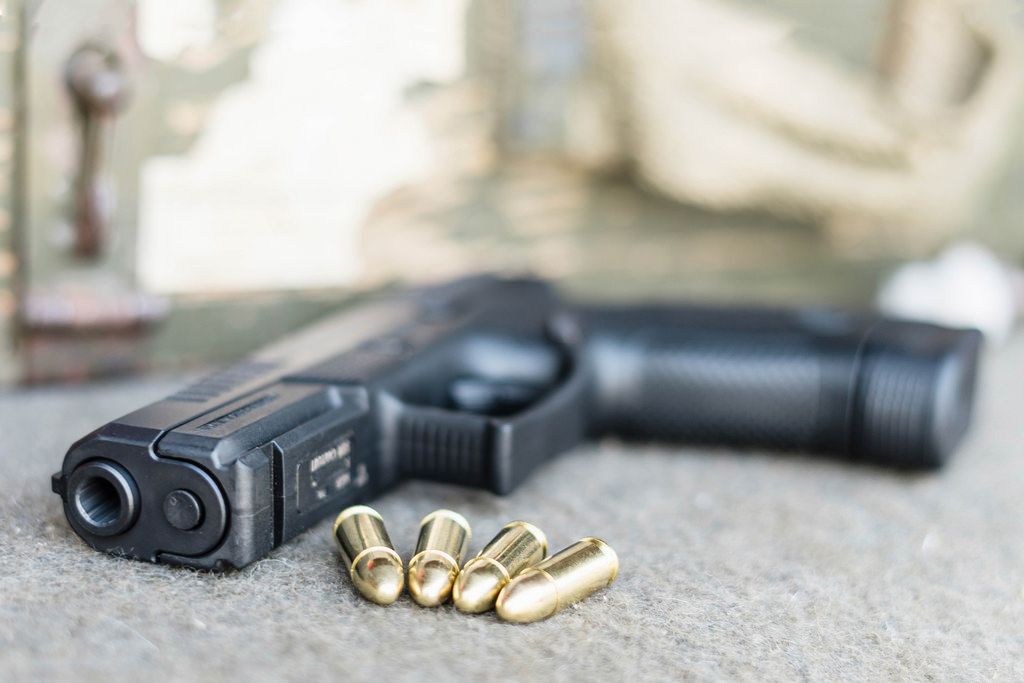
You’re at the counter, and the cheapest box on the shelf is brass-cased 9mm at 24 cents a round. That’s the starting line. Budget-friendly ammunition isn’t just the lowest sticker price—it’s the lowest price per round that still cycles your gun reliably. Steel-case .223 at 40 cents feels cheap, but if your AR jams every third shot, you’ve wasted money on frustration. Real budget ammo is bulk-packed (like 500-round value boxes), often uses bi-metal jackets or re-manufactured primers, and skips fancy packaging. For handguns, that means aluminum or steel cases; for rifles, it’s often milder loads with slightly lower velocity. The rule: what counts as cheap ammo is whatever functions flawlessly in your specific firearm for the 6.5×55 Swedish Ammo for Sale least cash—not the cheapest box on the shelf, but the cheapest one that works every single time.

How Retailers Define “Cheap” Without Sacrificing Reliability
Retailers define “cheap” not by shelf price alone but by cost-per-round reliability standards. They test bulk batches for primer ignition, case extraction, and bullet setback, then set a threshold like 2–3 failures per 500 rounds—anything above that is marked as “training-only” or dropped. Practical steps they use: check if the brass is annealed, verify consistent powder charges by weighing random samples, and fire-test through a battered rental gun to simulate wear. Reliable cheap ammo must cycle in dirty chambers and still hold a 3-inch group at 25 yards.
- Inspect for split necks or corroded primers on a 50-round sample.
- Run a 100-round stress test in a loose-action firearm.
- Compare muzzle velocity variance—under 50 fps is their cutoff.
If a brand survives those, price becomes secondary to function.
The Difference Between Low-Priced Rounds and Outright Junk
Low-priced rounds still earn their cost through consistent primers, uniform case lengths, and dependable bullet seating; outright junk fails on at least one of these fundamentals. A budget round that chambers smoothly and cycles reliably in your specific firearm is simply affordable, while junk reveals itself through split necks, setback under recoil, or erratic velocities that wreck your zero. Cheap ammo worth buying groups tightly enough for practice or defense, whereas junk patterns like a scattergun past fifteen yards. Defining cheap ammo by functional reliability separates a deal from a liability.
- Check for corroded primers or wobbly bullets before firing—junk shows visible .32 ACP Ammo for Sale defects.
- Low-priced rounds hold consistent overall length; junk often varies by several thousandths.
- Test a small box first: clean extraction and uniform reports mean value, not trash.
Why Price Per Round Matters More Than Sticker Price
When you’re hunting for cheap ammo, the sticker price on the box can fool you. What really matters is price per round, because a “budget” 50-round pack at $25 sounds fine until you realize that’s 50 cents a pop, while a 500-round case at $200 drops you to 40 cents. That difference snowballs fast—shoot 1,000 rounds a month and you’re saving $100 just by doing the math. Even a five-cent gap per bullet turns into real cash after a long range session. So ignore the total on the shelf, divide by the count, and you’ll see which deal actually stretches your dollar further.
Price per round, not the box price, tells you what your shooting habit truly costs—so always divide before you buy.
Where to Source Affordable Ammunition Without Getting Burned
Scoring cheap ammo without getting burned means sticking to trusted liquidation sites like GunBroker’s auction format or MidwayUSA’s clearance section, where prices drop on overstock but you still get real customer reviews. Skip unknown social media sellers—if a deal looks 40% below everyone else’s, it’s likely remanufactured garbage or a scam. For range practice, check your local big-box store’s shelf for white-box brands like Federal’s Champion or Winchester’s Forged—they’re consistently cheaper per round than online after shipping. Always compare final cost per round, not sticker price. Quick Q&A: “Is it safe to buy factory seconds?” Only if the seller states the exact defect (e.g., cosmetic dings) and offers a return policy—otherwise, pass. Stick to reputable names, verify lot numbers, and you’ll stretch your dollar without risking your gun.
Online Bulk Retailers vs. Local Gun Shops: Who Wins on Price?
When chasing cheap ammo, online bulk retailers typically win on raw price per round, especially for common calibers like 9mm or .223, because they move massive volume and slash overhead. However, local gun shops often counter with instant availability, zero shipping fees, and no transfer delays, Ammunition for Sale which can erase the online advantage for a single box. The real winner depends on your purchase size: bulk buyers save 10–20% online, while casual shooters may find local prices competitive after factoring in hazmat and shipping. Price-per-round comparison shopping is essential before committing to either source.
Q: Do online bulk retailers always beat local gun shop prices on cheap ammo?
A: No—only when you buy enough to offset shipping and transfer costs; for small orders, local shops often match or beat online deals once fees are included.

Using Ammo Comparison Tools and Price Trackers Effectively
To score cheap ammo deals, don’t just refresh your favorite store—let comparison tools do the heavy lifting. Sites like AmmoSeek and WikiArms aggregate live inventory from dozens of vendors, letting you filter by caliber, grain, and price per round instantly. Set up price trackers for specific SKUs you shoot regularly; they’ll email you when stock drops below your target threshold. Always check shipping costs and tax before clicking “buy,” since a low sticker price can vanish with a $15 handling fee. Sort results by “price per round” rather than box total, and bookmark tools that show historical price trends so you know a dip is genuine, not a temporary fluke.
Compare per-round costs, use alert trackers for your usual .32 Win Special Ammo for Sale calibers, and factor shipping into every deal.
How to Spot a Good Deal on Surplus or Overstock Lots
To spot a good deal on surplus or overstock lots, first calculate the **cost per round** after shipping, not the sticker price. Compare this number against current retail for the same caliber. Inspect the headstamps and lot numbers; if they are consistent, the ammo likely came from a single military or factory batch, which improves reliability. Check if the seal on the ammo can is intact—broken seals mean moisture exposure. Scrutinize photos for corrosion, especially on brass or steel cases, and read the seller’s return policy specifically for ammunition. If a deal feels below 50% of market price, verify it’s not a typo or a mislabeled caliber.
- Compare shipped cost per round to live retail, not list prices
- Verify consistent headstamps and lot numbers for uniform batches
- Check can seals and inspect for green corrosion or white oxidation
- Confirm seller accepts returns on ammo before paying
Choosing the Right Inexpensive Load for Your Firearm and Purpose
Selecting the right inexpensive load hinges on matching the bullet’s purpose to your specific firearm’s twist rate and barrel length. For range practice, a light, full metal jacket round like 55-grain .223 is often the cheapest and cycles reliably, but heavy subsonic loads can fail to cycle in a pistol with a light recoil spring. For defensive drills on a budget, choose a low-flash, https://specialtysportsandsupplyltd.com/ standard-pressure jacketed hollow point from a budget brand rather than a steel-cased import, which may cause extraction issues. Always test a box of the cheap ammo through your gun before buying bulk; check for keyholing or inconsistent accuracy. The least expensive option is worthless if it damages your firearm or misses the target’s intended zone.
Selecting Budget Rounds for Range Practice vs. Personal Defense
For range practice, prioritize the cheapest reliable rounds that cycle your firearm, since trigger .338 Lapua Ammo for Sale time and recoil management matter more than terminal performance. Budget-friendly full metal jacket loads are ideal for drills because they deliver consistent ballistics at a fraction of defensive ammo costs. For personal defense rounds, never compromise on quality, as your life depends on reliable expansion and penetration. Instead, shoot a small quantity of your chosen defensive load to confirm zero and function, then spend the bulk of your budget on cheap practice ammo with similar recoil. This split strategy lets you build muscle memory affordably while trusting your carry ammunition implicitly. Always match bullet weight between practice and defense loads to maintain point-of-aim consistency.
Use cheap ammo for volume training, but reserve premium defensive rounds for carry and occasional verification—your practice savings fund your protection.
Full Metal Jacket, Hollow Points, and Steel Case—What’s Actually Worth It
For budget-focused shooters, **steel-case ammunition** offers the lowest cost per round, but it is only worth it for range practice in firearms with robust extractors, as the harder steel case accelerates chamber wear and often cannot be reloaded. Full metal jacket rounds are the practical default for inexpensive target loads because their copper-jacketed construction feeds reliably and protects the barrel from leading, yet their penetration and lack of expansion make them poor for self-defense. Hollow points cost significantly more, but that premium is actually justified only when the round reliably expands to a larger diameter, which maximizes stopping power while minimizing over-penetration risks—a feature FMJ cannot provide. For defensive carry, skip steel-case entirely and invest in proven hollow points, while reserving cheap steel or FMJ strictly for drills. Ultimately, value depends on matching the bullet’s mechanical behavior to your specific purpose, not just the sticker price.
Matching Low-Cost Calibers (9mm, .223, 5.45×39) to Your Gun’s Needs
Matching cheap calibers to what your gun actually does starts with honesty about its role. For a 9mm pistol, budget FMJ is perfect for range practice, but if it’s your carry piece, spend slightly more on a low-cost JHP that still feeds reliably. With .223, your AR’s twist rate matters—cheap 55-grain ammo shoots great in 1:9 or 1:12 barrels, but a 1:7 twist prefers 62-grain loads, so test both. 5.45×39 from surplus is insanely cheap, yet it only suits guns chambered for it (like an AK-74); don’t force it elsewhere. The key is matching budget ammo to barrel specs and defensive needs, not just price.
Maximizing Performance and Savings When Shooting on a Budget
Maximizing performance and savings when shooting on a budget starts with buying cheap ammo in bulk, as case discounts often cut per-round cost by 15–20%. To offset the occasional inconsistency of budget rounds, chronograph a few boxes to find the lot with the tightest velocity spread, then zero your optic with that exact batch. Reserve premium loads for zeroing or competition, while using cheap ammo for the bulk of trigger time—especially for drills that stress mechanics over precision, like draw-and-fire or malfunction clearance. Clean your firearm more frequently after shooting inexpensive, dirtier powder, as fouling can degrade 6.5x57mm Mauser Ammo for Sale accuracy after 200 rounds. Finally, track rounds per dollar, not just rounds per box; a slightly pricier cheap ammo that groups tighter may save you money on wasted range time. This approach ensures budget shooting performance without sacrificing skill development.
Buying in Bulk: How Case Sizes and Crate Deals Cut Costs
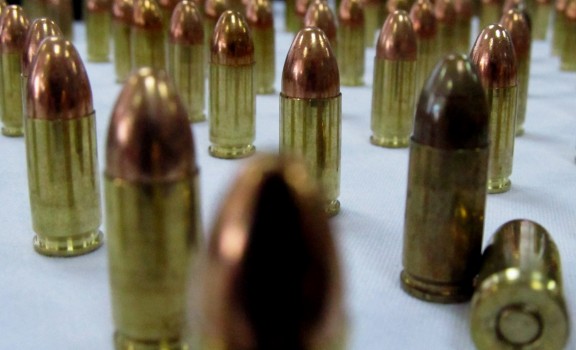
The most direct way to lower your cost per round is to shift from boxes to full case purchases. Manufacturers and retailers price crates—typically 500 or 1,000 rounds—with a steeper per-unit discount than 50-round boxes, sometimes shaving 10–20% off the shelf price. Because shipping weight is the hidden killer, consolidating your order into one sealed case reduces freight per cartridge, especially for heavy calibers. Before committing, calculate the per-round total including delivery; a crate deal only saves if the final number beats two separate mid-sized orders. Stocking up on case sizes also shields you from short-term spot price creep, but only if your budget can absorb a large upfront outlay.
- Compare per-round price between a 20-round box and a 500-round case to verify real savings.
- Watch for free-shipping thresholds tied specifically to crate quantities.
- Store unopened cases in dry, cool spots to preserve primer reliability for long-term bulk hold.
Reloading Your Own Rounds vs. Sticking with Factory Bargains
When you’re chasing cheap ammo, the reloading vs. factory bargain debate comes down to time versus upfront cash. Reloading your own rounds lets you reuse brass and tailor loads for accuracy, but you’ll need a press, dies, and components—roughly $400 to start. Factory bargains, like steel-case or bulk packs, are zero-hassle and often the most cost-effective choice for casual shooters. However, if you shoot hundreds of rounds monthly, handloading can slash per-box costs by 40–60% after the initial gear pays off. Stick with factory when you value convenience; reload when you crave consistency and long-term savings.
Q: Is reloading worth it if I only shoot 50 rounds a month?
A: Probably not—your 6.5x57R Ammo for Sale time and gear costs won’t beat a $12 box of bargain ammo. Save reloading for high-volume sessions where savings actually stack up.
Extending the Life of Training Ammunition With Proper Storage
Buying cheap ammo in bulk is smart, but extending the life of training ammunition with proper storage is what really stretches your dollar. Keep those boxes in a cool, dry place—a sealed ammo can with a silica gel packet works wonders against humidity, which is the main enemy of primers and powder. Avoid temperature swings in garages or sheds; a closet indoors is perfect. Rotate your stock, shooting the oldest boxes first, so nothing sits long enough to degrade. If you store surplus rounds properly, they’ll stay reliable for years, meaning every budget round you bought actually gets used—not wasted on duds or corrosion.
Common Pitfalls and Smart Habits for Bargain Ammo Buyers
The lure of cheap ammo is real, but it’s a trap if you skip the basics. I’ve seen guys blow a flawless range day because they grabbed steel-case mystery loads without checking for reloadable integrity or, worse, ignored a squib load. The smart habit is to buy a small box first and run it through your actual firearm before committing to a case lot. Another pitfall is chasing the lowest per-round price without factoring in shipping fees, which can silently double your cost. Always calculate the final delivered price. Most importantly, stick to brands with a known reputation for consistent primers, because a dud under stress isn’t just an annoyance—it’s a failure you can’t afford. Store your bargain haul in a dry, temperature-stable place and you’ll save money without sacrificing the trust your weapon demands.
How to Check for Corrosion, Dimples, or Bad Primers Before You Buy
Before committing to a bulk purchase, physically inspect exposed cartridge cases when the box permits. Run your thumb across the brass; a gritty or sticky residue signals corrosion, often appearing as dull green or white patches. Hold each round at an angle to catch light, revealing dimples or dents in the case wall or mouth—these weak points can cause chambering failures. **Reject any lot with visibly damaged primers**; a flattened, pierced, or recessed primer indicates improper seating or a previous strike. For loose ammo, tilt the container to listen for powder rattle, which suggests a loose primer pocket. If the box is sealed, check the manufacturer’s date code and request a sample round from the seller to break open for internal inspection.
Q: What is the 6.8 SPC Ammo for Sale fastest way to spot a bad primer without tools?
A: Tilt the cartridge and gently tap the primer with your fingernail. A solid, uniform tap means the primer is seated flush or slightly below. A hollow sound or visible movement means it is loose, which risks misfires.
Understanding Remanufactured Rounds—Safe Bet or Risky Savings?
Understanding remanufactured rounds as a cheap ammo option means weighing recycled components against unknown handling history. These cartridges are assembled from once-fired brass, new primers, and pulled or reprocessed bullets, often selling for 20–40% less than factory loads. The risk lies in inconsistent case tension or powder charges if the processor lacks rigorous QC, potentially causing cycling failures or pressure spikes in your firearm. A safe bet requires buying only from established brands with visible testing protocols and avoiding budget batches with no lot traceability. For range practice, they can deliver fine accuracy, but for defensive carry, remanufactured rounds are risky savings—trust only new factory ammunition there. Inspect every round for dents, loose bullets, or primer seating before loading.
Keeping a Budget Log to Track Your True Cost Per Trigger Pull
When you buy cheap ammo, the sticker price lies. A budget log for your true cost per trigger pull forces you to add shipping, tax, and the gas you burned driving to three different stores. Write down every box’s total cost, then divide by rounds fired—not rounds bought. That number reveals if that “bargain” case of 500 was actually pricier than a premium box you shot clean. Track failures too: a dud round still costs you range time and frustration. Over a month, the log shows which deals truly train you cheaply, saving hundreds without sacrificing practice.